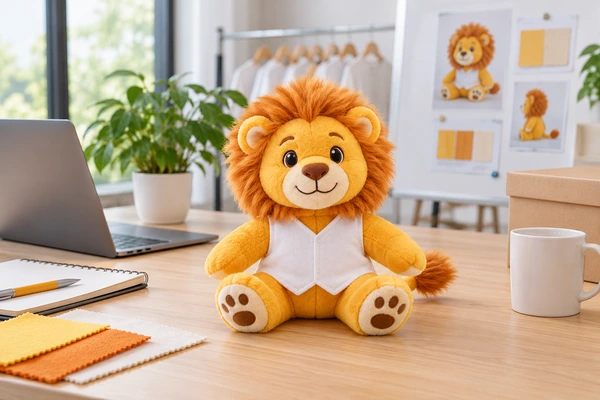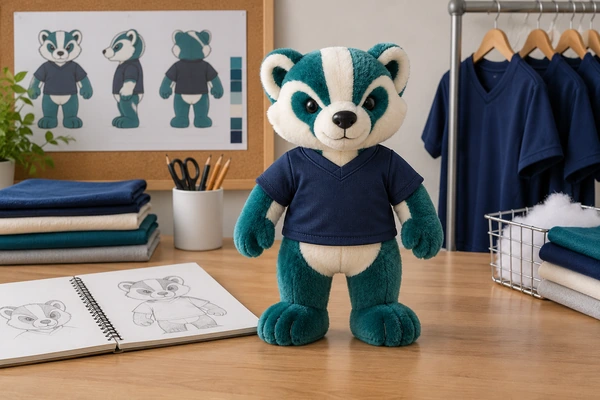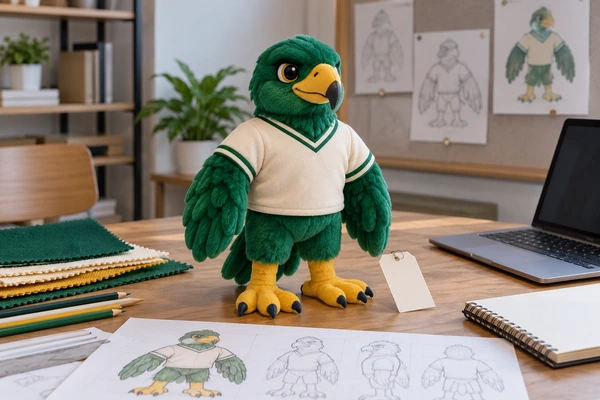
Plan branded plush for a fixed event by working backward from the date usable stock must be at the venue or fulfillment location. Separate design approval, production, inspection, shipping and receiving. A factory completion date is not an event-ready date, and a schedule should identify who owns every decision that can delay the next step.
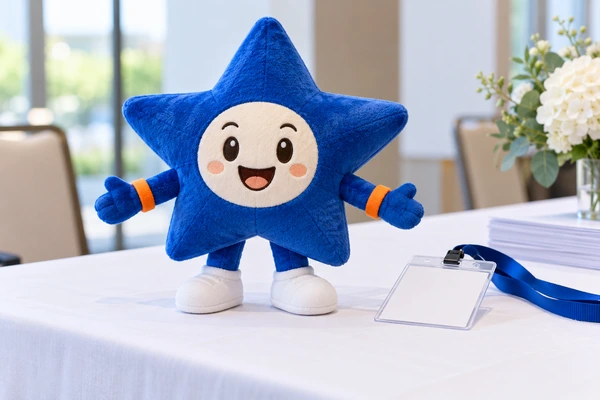
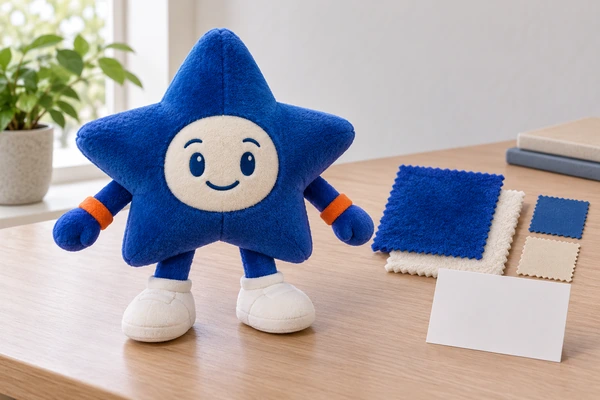
For an original star runner mascot, begin with the event’s distribution plan before requesting a branded plush proposal. Confirm whether the toys go into welcome bags, ship to attendees or appear at multiple locations. Each route changes packing and receiving requirements.
Write the launch sheet before the artwork brief
| Milestone | Evidence needed | Decision owner |
|---|---|---|
| Event-ready stock | Received, counted and usable units | Event operations |
| Delivery appointment | Accepted destination and receiving window | Logistics coordinator |
| Shipment release | Inspection and document decisions complete | Buyer |
| Production start | Approved specification and sample | Buyer and supplier |
| Artwork freeze | Authorized final files | Brand owner |
Add dates only after the supplier and logistics partners confirm their assumptions. Distinguish working days from calendar days, account for closures and reserve time for a plausible sample revision. Avoid importing a generic lead time from another project with different materials, quantities or delivery terms.
Freeze the decisions that control sampling
Your OEM and ODM brief should include artwork, target size, decoration, audience, quantity and packaging. Identify one person who consolidates feedback. Conflicting comments from separate departments can consume the revision window even when the supplier responds promptly.
Confirm rights to the mascot and event marks before production files circulate. WIPO’s character merchandising discussion provides background on that issue. Keep a controlled revision record, using ISO 10007 configuration-management principles to connect each approval to a specific version.
Make safety and inspection part of the schedule
Define the intended user and destination market early. For US toys, the CPSC toy safety overview helps identify the planning context. The Children’s Product Certificate guidance addresses relevant certification responsibilities. A fixed event date does not remove applicable obligations.
Ask when representative samples will be available and what happens if a result requires a change. Use the CPSC accepted-laboratory directory where relevant to US children’s-product testing. Confirm the required scope with the laboratory rather than assuming any test booking covers the entire product.
Review production checkpoints through the manufacturing discussion. Agree on the quality-control release criteria, who reviews findings and how quickly decisions must be returned. A completed inspection report still needs a decision before stock can move.
Define exactly what shipping includes
Record the named delivery term, location and responsible parties. ICC’s Incoterms 2020 overview helps frame the allocation of transport responsibilities. It does not replace a complete order agreement or guarantee an arrival date. Confirm customs, final-mile delivery and venue receiving arrangements separately.
Review packaging against the route, with appropriate ISTA procedures as a reference for transport evaluation. Document carton dimensions and weights consistently; the GS1 measurement standard supports clear package data. Send the receiving team information they can use to book space and handling.

Set decision points for a late-running project
Confirm venue rules before booking the final delivery. Some locations accept freight only during a narrow window, require appointment references or charge for storage. Give the supplier a receiving contact and a fallback address when appropriate. A shipment arriving early can be just as operationally awkward as one arriving late if no one can accept it.
Count distribution needs separately from the purchase quantity. Include approved uses such as attendee gifts, press samples and display pieces, then record how any reserve will be allocated. Avoid promising every unit to recipients before the receiving count and condition checks are complete.
Agree in advance when a delay triggers escalation and which alternatives are acceptable. Possibilities might include simplifying unapproved packaging, changing a distribution plan or evaluating a split shipment. Each alternative needs a cost, quality and timing review; none should be silently substituted by the supplier.
Protect the core specification when considering schedule changes. Removing an optional gift sleeve is different from changing a tested material or an approved attachment. Record the exact change, its owner and the evidence needed before release. This keeps urgency from turning into an undocumented production decision.
Maintain a short weekly status sheet showing completed milestones, the next required decision and any threatened date. Use evidence such as approved sample photographs, confirmed bookings and receiving acknowledgments. A percentage-complete estimate is less useful when a single unresolved approval controls the shipment.

Review the project FAQ and company introduction, then send your event sourcing brief with the event-ready date, delivery address and approval owner. Ask for a milestone schedule with stated assumptions rather than an unsupported promise of speed.
Images show planning concepts, not confirmed production capacity, delivery commitments or test evidence.
Prepare your branded plush planning inquiry
Copy and complete this brief; mark unresolved items to confirm.
Company / contact:
Product / size / intended use:
Market / quantity / arrival date:
Audience and purpose:
Brand approval:
Distribution:
Email This BriefWhatsApp This Brief
Review and send it yourself, or paste it into our inquiry form.