

Maintain brand consistency on custom mascot plush reorders by ordering against a controlled specification and retained sample, then reviewing every proposed change. The old purchase order is a starting point, not a complete reference. Materials, components, packaging and production records need to identify what must remain consistent and how substitutions will be approved.
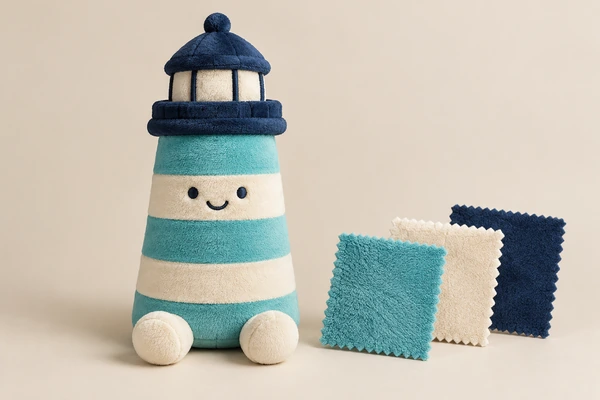
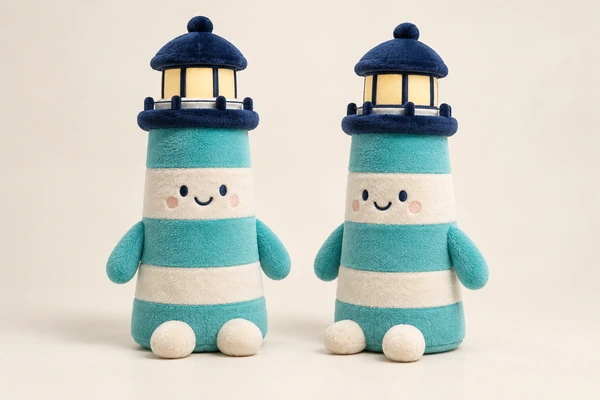
Consider a turquoise lighthouse mascot in a custom mascot plush range. Its cream bands, lantern cap and small smile establish identity. A reorder should preserve those recognizable relationships even when a new purchasing team or production planner handles the project.
Open a reorder ledger
Create one record connecting the product code, approved revision, previous order and retained sample. Add dimensions, materials, color references, decoration files, labels and packaging. Use ISO 10007 configuration-management guidance as an organizing reference. The goal is to make the current specification easy to identify and obsolete versions difficult to confuse with it.
Confirm ownership and permitted use of the mascot artwork. WIPO’s character merchandising discussion provides licensing context where relevant. Reordering a previously produced character does not automatically resolve a changed license term, market restriction or brand-owner requirement.
Entry 1: what defines the approved mascot?
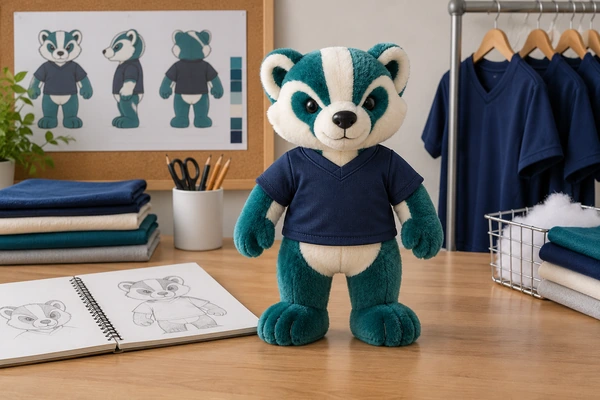
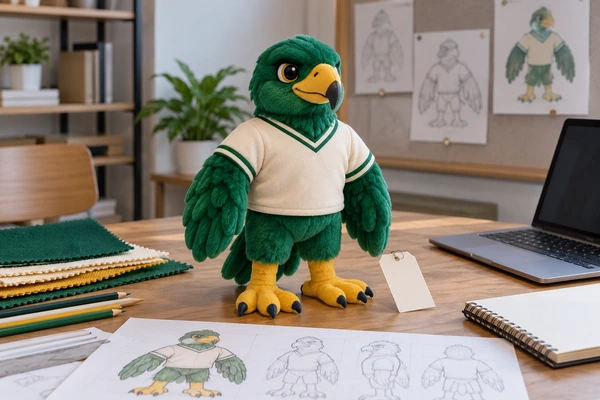
Identify the visual features that must survive: silhouette, face placement, color relationships and distinctive accessories. Record measurement landmarks and the approved pose. Include clear front, side and back photographs, but retain a physical sample for touch, volume and material comparison. Store it so ordinary handling and exposure do not gradually change the reference.
Review these details through the custom mascot specification. A photograph of the lighthouse may conceal its back seam or make the cap look wider through perspective. Mark which reference controls each decision so a supplier does not have to choose between conflicting artwork and sample photographs.
Entry 2: what is changing?
Ask the supplier to list proposed changes before production. These may involve fabric availability, thread, filling, decoration settings, label stock or carton construction. Require a description of the old and new references, the reason for the change and the proposed verification. Avoid accepting a broad promise that everything is “equivalent.”
Compare color with retained physical references, using Pantone’s physical sample guidance as context. Different pile or backing can affect appearance and shape even when a color name stays the same. Discuss those effects with the manufacturing team before approving a substitution.
For embroidery changes, review the actual sew-out on the proposed fabric. Madeira’s stabiliser selector illustrates why support and fabric properties matter. Do not infer that reusing the same artwork file guarantees the same finished face.
Entry 3: what needs renewed review?
Match the verification to the change. A revised carton may call for a packing review, while a fabric or component change may require additional product assessment. For US toys, consult the CPSC toy safety guidance and relevant Children’s Product Certificate guidance. Confirm the documentation still applies to the configuration being ordered.
Review identifiers when the product or saleable unit changes, using the GS1 GTIN Management Standard where applicable. Keep old and new stock distinguishable in receiving records if a revision changes what customers or retailers receive. Do not silently mix different approved versions under an unclear description.
Entry 4: how will the batch be compared?
Add the current sample revision and comparison method to the quality-control plan. Review representative units under consistent lighting and orientation. Record dimensions, face position, color relationships and package presentation separately. A single group photograph may hide differences that become obvious when individual mascots are examined.
The process approach described by ISO 9001 provides management context, but it does not establish that a specific reorder matches the approved mascot. Keep the actual inspection evidence and release decision linked to the purchase order.
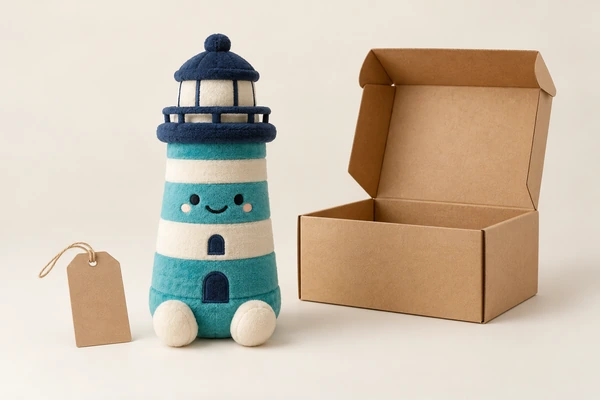
When a retained sample has aged, avoid treating every difference as a production error. Compare its condition with the original approval photographs and material records. Ask whether handling, storage or exposure has affected the reference itself. If a replacement master is necessary, document how it was approved against the existing specification. Do not allow a convenient new sample to become the reference simply because it is easier to find.
Close the ledger without losing history
Record who approved each change and which order first used it. Retain the earlier reference instead of overwriting its identity. If a customer later reports a difference, the team should be able to distinguish an authorized revision from an unintended variation. Include packaging and artwork changes in the same history so brand consistency extends beyond the toy itself.
Before ordering, review the reorder FAQ and company introduction. Then send your mascot reorder brief with the previous order reference, current approved sample and requested quantity.
Images illustrate original reorder-review concepts, not evidence of consistency between manufactured batches.
Your mascot reorder change record
| Proposed change | Compare against the retained reference | Record before acceptance |
|---|---|---|
| Fabric or filling | Material identification, feel, appearance and the effect on the approved shape. | Old and proposed references, reason for the change, sample observations and the agreed assessment scope. |
| Embroidery or printed face | Actual decoration on the proposed fabric, including placement, scale and expression. | Approved artwork revision and the sew-out or sample used to accept the result. |
| Pattern or finished size | Named measurement landmarks, pose and front/side proportions. | Affected dimensions and construction, the revised sample and who approved the difference. |
| Label or retail pack | Artwork, product identification, fit and the buyer's required information. | Final artwork and packing references, the first order using them and treatment of remaining old stock. |
| Transport carton | Packing method, assortment counts and the protection needed for the agreed route. | Confirmed carton specification and any required packing checks; do not infer approval from an unchanged toy. |
Give each proposed change a status: awaiting evidence, approved for a named order, or not accepted. Name the decision owner and keep the previous specification available. An accepted material substitution still needs its own review of relevant product and market requirements.
Prepare your mascot reorder inquiry
Copy and complete this brief; mark unresolved items to confirm.
Company / contact:
Mascot name / product code:
Previous order / approved sample revision:
Destination market / intended use:
Reorder quantity / required arrival date:
Features that must remain unchanged:
Proposed material, face, pattern or packing changes:
Old and proposed references / reason for each change:
Evidence required / unresolved items:
Decision owner / approval status for this order:
Email This BriefWhatsApp This Brief
Review and send it yourself, or paste it into our inquiry form.
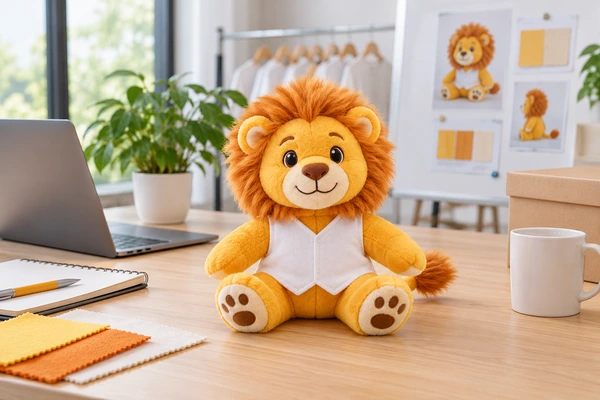
[…] A retained physical sample establishes appearance; it does not extend an expired license. Our reorder consistency guide can help manage the technical side alongside the rights […]