

Choose stuffed animal fabrics by matching appearance, touch and construction needs to the intended product. Compare actual swatches, then evaluate them on a stuffed sample. Fiber content, pile length, stretch, color and backing all matter; a fabric that looks attractive in a flat photograph may obscure the face or change the animal’s silhouette after sewing.
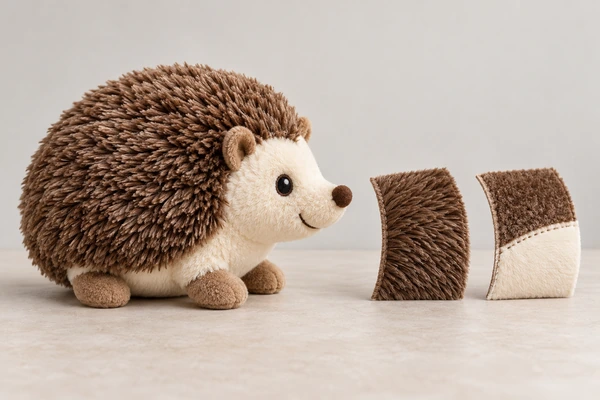
Build a swatch notebook for your custom stuffed animal collection. For a hazelnut hedgehog, the textured back, smooth face and cream belly have different jobs. Selecting each material deliberately produces a clearer result than asking for one vaguely defined “soft plush fabric.”
Notebook entry 1: the visual job
Write what the fabric must communicate. Short pile may suit a face that needs clear embroidered features; a textured surface may suggest the hedgehog’s back without hard projections. Longer pile can soften a silhouette, but it may also hide seams or small details. Treat these as design considerations to verify with samples.
Attach a swatch code and note which body panels use it. Mark the desired pile direction on the artwork. Include these records in the OEM and ODM brief so the sample maker knows which differences are intentional. A photograph alone rarely communicates the full texture or stretch behavior.

Notebook entry 2: the material description
Request a written specification identifying fiber composition, construction, pile characteristics and any relevant backing or finish. Record the supplier’s material reference and the available color options. If a substitution is proposed, compare it against the same criteria rather than accepting “equivalent quality” without details.
Where certification is part of your requirement, verify what it covers. The OEKO-TEX STANDARD 100 overview explains the scope of that scheme. Ask for the relevant certificate details and verify applicability to the material or article being offered. Certification should be described precisely in customer-facing copy.
For recycled-content or other environmental claims, retain supporting documentation and review wording against the FTC Green Guides summary where relevant. Avoid assuming that a natural color, soft hand feel or recycled packaging establishes a claim about the stuffed animal’s fabric.
Notebook entry 3: sewing and shape
Ask for a small sewn trial when the fabric’s behavior is uncertain. Examine curved seams, tight turns and areas joining different materials. A stretchier face fabric can change proportions, while contrasting pile directions can make matching panels look like different colors. Discuss the likely effect before approving the complete sample.
Connect this review to the manufacturing process. The Coats soft and secure seams guide provides useful sewing context. Your acceptance record should still describe the actual animal: exposed seam appearance, visible gaps, trapped pile and the approved outline.
Notebook entry 4: color across the collection
Approve physical swatches together, especially where the same cream or brown appears on several animals. Pantone’s physical sample guidance helps explain why screen color is only part of the process. View samples under consistent lighting and retain the accepted references.
Define whether colors must match across materials or simply coordinate. A smooth belly and a textured back may reflect light differently even when their nominal color references agree. Record acceptable relationships in photographs and written comments, then review the assembled products together before final approval.
Notebook entry 5: intended care and use
Agree on the supported care instructions for the finished animal. ISO 6330 provides textile washing and drying procedures, and ISO 3758 provides care-labeling symbol guidance. Neither replaces evidence for the complete combination of fabric, decoration, seams and filling.
Evaluate appearance after the proposed care process, including matting, dimensional change and color transfer where relevant. For US toys, review the CPSC toy safety guidance as part of the finished-product assessment. Material selection and product safety need to be considered together.
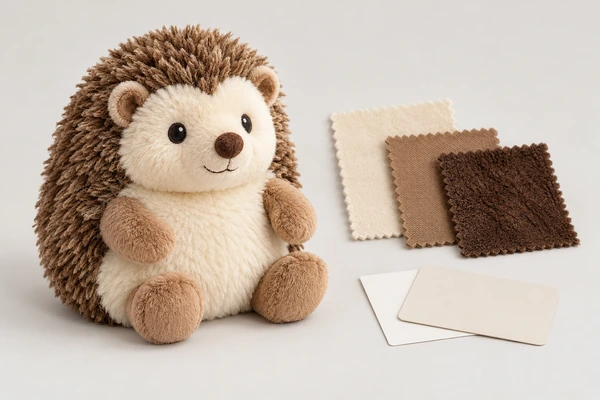
Label every retained swatch with its role, supplier reference and approval date. Keep it away from conditions that could alter its appearance. If two candidates feel similar, compare them on the same curved panel and with the same decoration. This makes the selection traceable and helps a later buyer understand why the material was chosen, even when the original development team has changed.
Close the notebook with an approval decision
Compare candidates using the same animal size and construction. Record which option was chosen, which was rejected and the practical reason. Include price and availability, but do not let a lower fabric quote hide changes to the finished appearance or the required evidence. Ask whether the selected reference is expected to remain available for replenishment.
Add material references to the quality-control plan and manage changes using ISO 10007 principles. Review the sourcing FAQ and company introduction, then send your swatch-led brief with the intended audience and market.
Images illustrate original material concepts, not verified fabric specifications or certification claims.
Your stuffed animal specifications record
| Confirm | Record with your specification |
|---|---|
| Product definition | Animal, finished size, materials and intended user |
| Order scope | Variants, quantities, packaging and target market |
| Approval record | Sample version, inspection requirements and delivery date |
Prepare your stuffed animal specifications inquiry
Copy and complete this brief; mark unresolved items to confirm.
Company / contact:
Product / size / intended use:
Market / quantity / arrival date:
Product definition:
Order scope:
Approval record:
Email This BriefWhatsApp This Brief
Review and send it yourself, or paste it into our inquiry form.
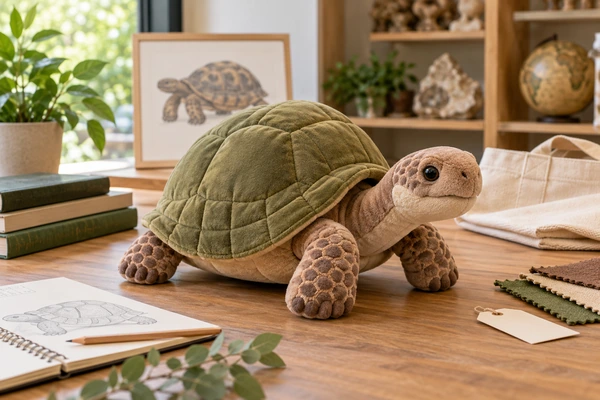
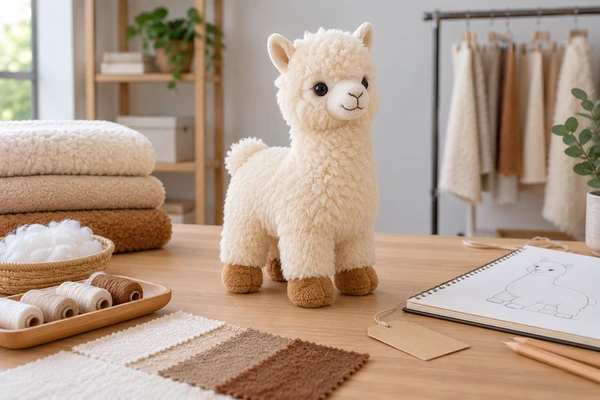
[…] reference beside each approved swatch, and keep sufficient material for later comparisons. Use our fabric selection questions when weighing hand feel against […]
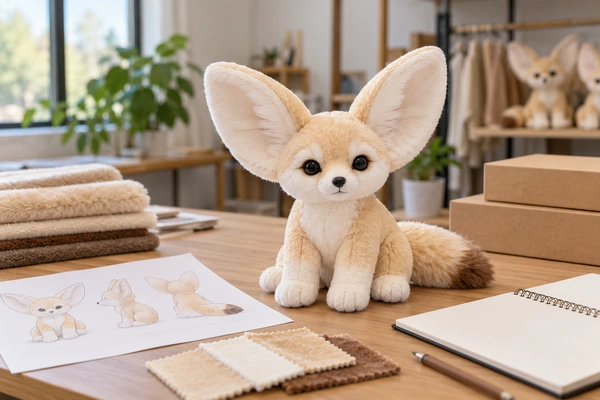
[…] Start with a bill of materials that identifies each approved input and its supplier reference. Our fabric selection guide helps specify the outer textile without confusing appearance with […]