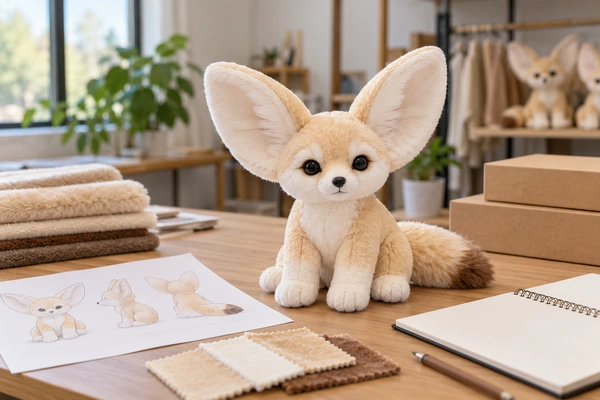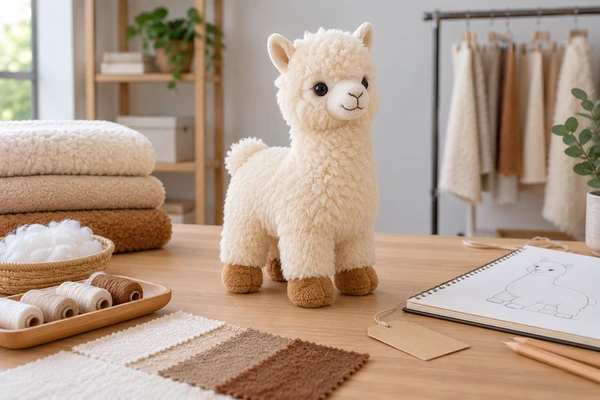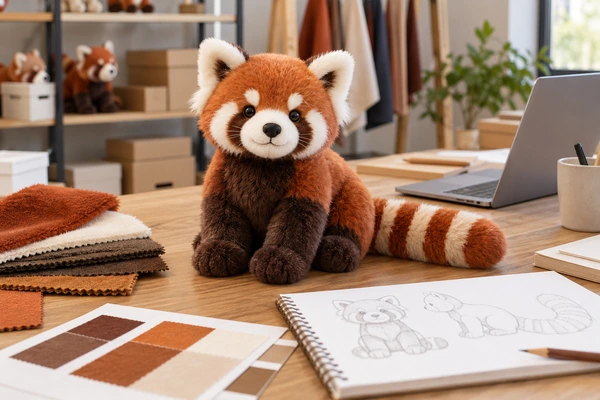
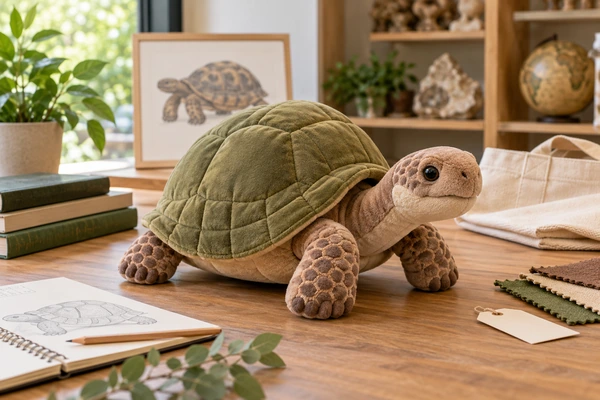
A custom animal plush collection for a museum or visitor center should begin with the story visitors are meant to remember. Identify the exhibit, local habitat or interpretive theme, then translate it into a small group of products with clear roles. The supplier needs an approved story and a practical product brief, not simply a request for “educational animals.”
The Museum Store Association’s knowledge standards place merchandise planning within professional museum retail practice. Its discussion of mission-connected store merchandise also highlights how the shop can extend the visitor experience. Use that principle to decide why each animal belongs in the collection.
Begin with a one-sentence visitor connection
Write a sentence that links the product to the visit: this animal helps a visitor remember a local habitat, a conservation topic or a specific exhibit. Avoid trying to include every institutional theme in one toy. An illustrative tortoise collection could focus on shell structure and habitat, while leaving unrelated messages to other products.
Assign a content owner to verify the species name, distinguishing features and any educational wording. If a conservation status is mentioned, check the current assessment and its geographic scope; IUCN’s Red List guidance explains how categories should be interpreted. Do not assume a regional description and a global assessment mean the same thing.
Choose the degree of realism deliberately
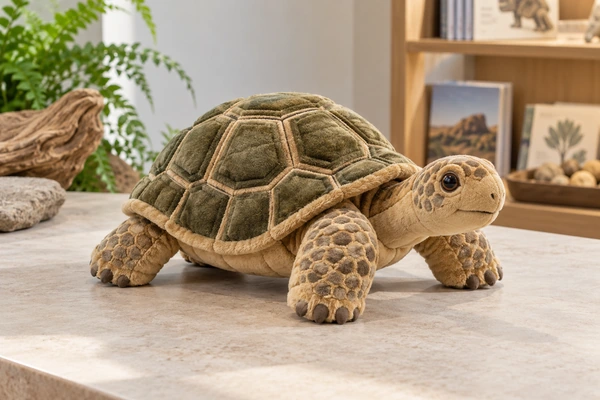
Mark the animal’s essential features on reference drawings. For the tortoise example, this could include shell profile, limb proportions and head shape. Identify which details may be simplified for a softer, approachable character. Our realistic versus stylized plush comparison helps make that decision explicit.
Supply image references only with the appropriate rights and permissions. The Smithsonian Open Access FAQ illustrates an important distinction: open access to an asset does not automatically authorize use of institutional trademarks or imply endorsement. Confirm the permissions applicable to your own institution and reference material before sending production files.
Design a collection that fits the visitor’s purchase
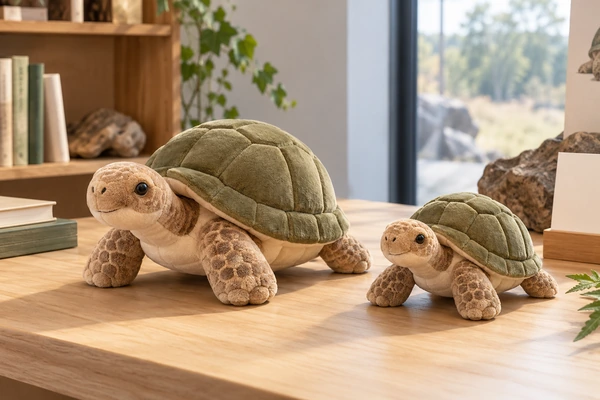
Consider how visitors travel, whom they buy for and how much space the shop has. A compact souvenir and a larger gift may serve different needs, but each additional size adds sampling, stock and display decisions. Use the balanced assortment guide to define a purposeful range instead of multiplying variants automatically.
Set measurable dimensions and specify which body extensions are included. Check that smaller versions preserve the animal’s identifying features using the size consistency checklist. Evaluate the product in its intended display and packing arrangement, including whether a child or traveler can comfortably carry the selected format.
| Collection decision | Brief the supplier with |
|---|---|
| Story | Approved exhibit or habitat connection |
| Identity | Species references and protected visual features |
| Range | Sizes, variants and intended purchasing roles |
| Presentation | Tag content, brand position and display format |
| Approval | Content, design and compliance reviewers |
Make the tag useful and accurate
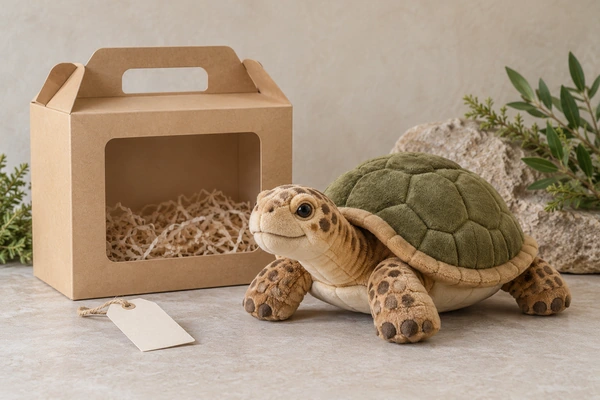
Keep educational copy short enough to be read in the shop. Separate the verified fact, the institution’s branding and required product information. Provide approved text rather than asking the factory to write a species description. WIPO’s copyright FAQ offers background when commissioning illustrations or adapting third-party content.
Choose materials and label construction that suit the intended use. The fabric selection guide and private label packaging checklist help turn the design into supplier instructions. Avoid unsupported environmental claims merely because the collection has a conservation theme; consult FTC environmental claims guidance when reviewing promotional wording.
Consider how staff will explain the collection in a short conversation. The product’s connection to the institution should be understandable without a long sales script. Test the proposed tag with colleagues outside the project: can they identify the animal and the reason it belongs in this shop? If the explanation relies on unsupported claims or information missing from the packaging, revise the brief before sampling. Keep the final wording in the same approval file as the artwork.
Approve the interpretation and the product together
Have the relevant curator or educator review factual details while merchandising reviews the product’s appeal and display fit. Give compliance reviewers the intended age group and markets. For applicable toy projects, discuss CPSC toy guidance or the EU toy safety framework. Educational positioning does not remove applicable product obligations.
Keep feedback in one consolidated record so scientific corrections do not disappear among packaging comments. Review the packed sample and verify that the approved story, animal features and identification remain consistent. Our zoo and aquarium gift-shop sourcing guide provides related collection questions.
Finally, state whether the range is tied to a temporary exhibit or intended for ongoing sale. That decision affects quantities, dated packaging and reorder planning. Submit the approved story, artwork, assortment and launch requirements through a custom animal plush inquiry.
Prepare your stuffed animal specifications inquiry
Copy and complete this brief; mark unresolved items to confirm.
Company / contact:
Product / size / intended use:
Market / quantity / arrival date:
Product definition:
Order scope:
Approval record:
Email This BriefWhatsApp This Brief
Review and send it yourself, or paste it into our inquiry form.