
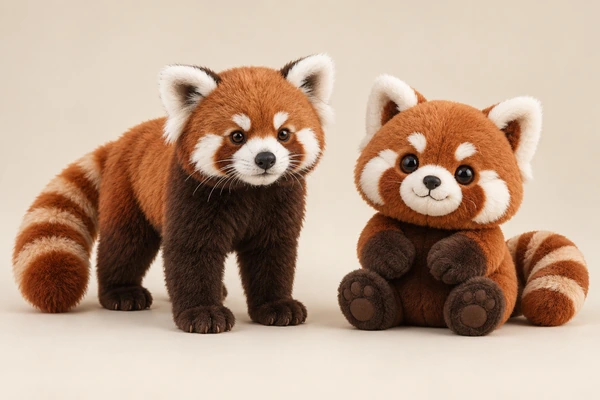
Choose realistic animal plush when recognition and species detail support the purchase. Choose stylized animal plush when expression, color and collectability lead the decision. A balanced range can use both, provided each design has a clear shopper, price position and display role. The useful question is not which style is universally better, but what your customer wants to take home.
Consider two red panda concepts: a longer-bodied animal with a substantial ringed tail, and a compact character with rounded proportions. Both belong in an animal plush collection, but they make different promises. The following store profiles are planning examples, not sales forecasts.
Store A: the wildlife gift shop
A visitor has just seen a red panda and wants a recognizable reminder. Prioritize the face pattern, coat color, ears and tail before adding decorative accessories. The Smithsonian’s red panda profile identifies its ruddy coat, white facial markings and ringed tail; these are useful reference points for an original design brief.
Realistic does not mean reproducing every anatomical feature. Decide which details remain visible at the intended size and which would create awkward seams or fragile projections. A slightly simplified silhouette can still communicate the species clearly. Ask your educational or merchandising team to review the same sample, rather than approving separate photographs.
Store B: the lifestyle and gift boutique
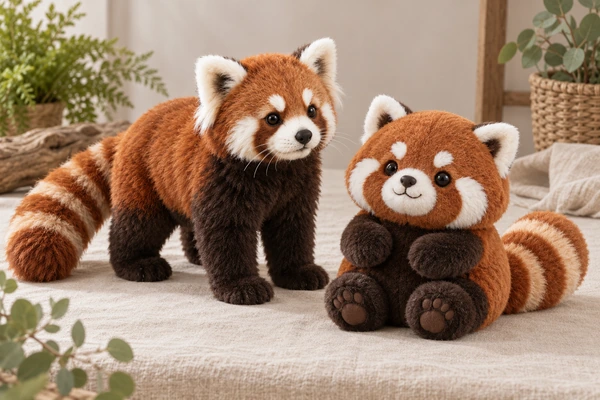
Here the shopper may choose by expression, room palette or emotional appeal. A rounded red panda with a gentle smile could fit a coordinated shelf more naturally than an anatomically detailed version. Preserve enough identifying features to prevent the character becoming a generic orange animal.
Test the design beside your existing products. A plush that looks attractive alone may disappear against similar colors or compete with an established bestseller. Use assortment planning principles to assign a role to each option: entry gift, central collection piece or premium statement. Do not assume that greater realism automatically justifies a higher price.
A comparison buyers can actually use
| Decision | Realistic direction | Stylized direction |
|---|---|---|
| Recognition | Species markings and silhouette | Expression and memorable shape |
| Color approval | Natural references and physical swatches | Defined collection palette |
| Range expansion | Related habitats or species | Shared character language |
| Sample risk | Fine details lost in pile or seams | Over-simplification weakens identity |
Bring the chosen direction to an OEM and ODM design discussion. Specify which features are essential and where interpretation is allowed. Reviewing the manufacturing approach helps connect the visual brief to panel shapes, fabric direction and repeatable construction.
Separate visual style from safety and care
A cute face does not establish an age grade, and naturalistic detail does not make a product adult-only. Define intended users and markets before finalizing eyes, noses or accessories. Consult the CPSC toy safety guidance and its small-parts guidance when planning a US children’s product. Have the applicable requirements assessed for the finished design.
Material evidence also needs a precise scope. An OEKO-TEX STANDARD 100 claim should identify what is certified; it does not replace finished-toy assessment. Avoid unsupported environmental language by checking the FTC Green Guides summary. Confirm care instructions against the actual construction; ISO 3758 provides a reference for textile care labeling symbols.
Run a small, fair comparison
Show buyers both samples under the same lighting, with comparable packaging and clearly stated prices. Ask what they think the animal is, who they would buy it for and which feature matters most. Record reasons rather than simply counting favorites. Keep feedback from different store types separate so one audience does not obscure another.
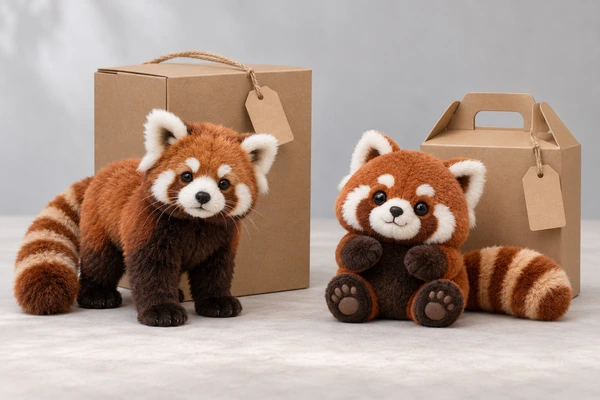
Review shelf footprint, tail placement and tag visibility through your quality-control checklist. Use consistent measurement definitions, with the GS1 measurement standard as a packaging-data reference. A long tail can affect both display depth and shipping space.
Choose a direction, then document it
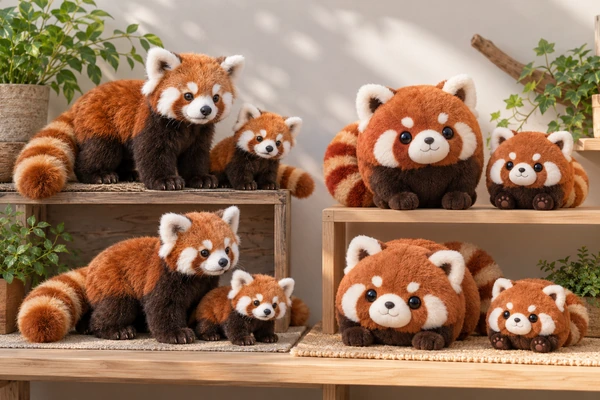
For a mixed range, establish a shared connection rather than placing unrelated designs together. That connection might be a woodland habitat, a consistent tag system or a coordinated size ladder. Keep the realistic animal’s natural markings while allowing the stylized version a different expression. Avoid launching several nearly identical middle options that leave buyers unsure why each exists.
After launch, compare returns, shopper comments and stock movement by design and store type. Check whether one version was displayed more prominently or available for longer before interpreting the results. Use those observations to adjust the next order, preserving enough continuity that returning customers can recognize the collection.
Write down the selected audience, must-keep features, acceptable color range and packaging format. Refer to the sourcing FAQ for discussion points and review the Shinegifts introduction before sharing your project. Send your comparison brief through the contact page so the next conversation starts with a defined retail purpose.
Images illustrate original product concepts. Final appearance, construction and suitability require sample approval.
Prepare your stuffed animal specifications inquiry
Copy and complete this brief; mark unresolved items to confirm.
Company / contact:
Product / size / intended use:
Market / quantity / arrival date:
Product definition:
Order scope:
Approval record:
Email This BriefWhatsApp This Brief
Review and send it yourself, or paste it into our inquiry form.
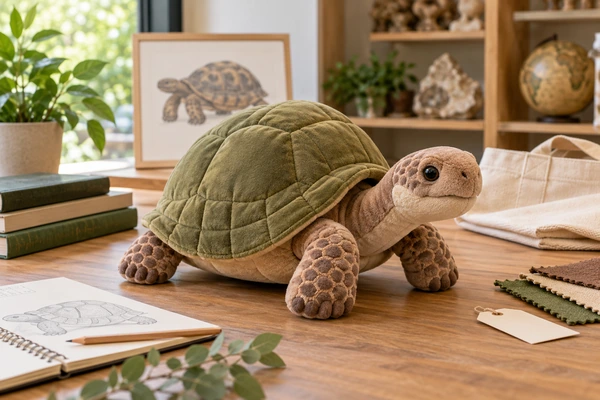
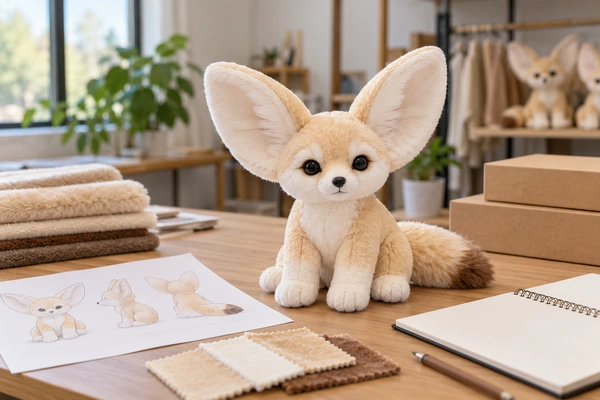
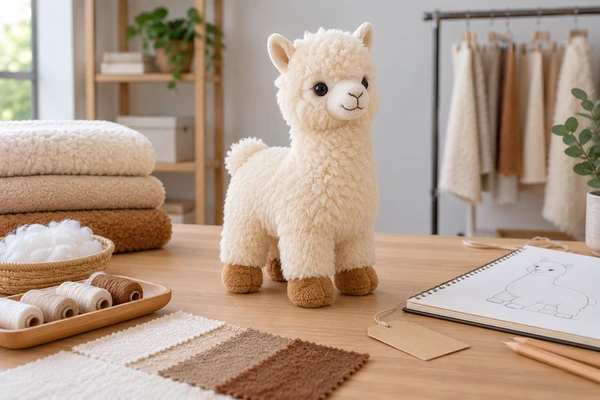
[…] and head shape. Identify which details may be simplified for a softer, approachable character. Our realistic versus stylized plush comparison helps make that decision […]