Approve a stuffed animal sample only when its design, construction, materials, labeling and packaging are clearly connected to the production specification. Record the exact revision and separate completed checks from unresolved questions. A signed photograph can document appearance, but it cannot replace the physical reference or the evidence needed for the intended product and market.
For a sand-colored fennec fox in a stuffed animal collection, approval should cover more than attractive ears and a friendly face. Use the gates below to make the release decision traceable. The buyer and supplier should agree who signs each part and what remains outside the approval’s scope.
Gate 1: confirm what you are approving
Identify the sample code, date, revision, size, materials and decoration references. Match these with the current OEM and ODM brief. If the sample uses a temporary fabric or substitute component, label that difference explicitly. Do not let a development shortcut become an undocumented production specification.
Keep the approved artwork and change history together. ISO 10007 configuration-management guidance offers a useful way to think about controlled versions. The practical question is simple: could another team member identify exactly which design was approved without relying on someone’s memory?
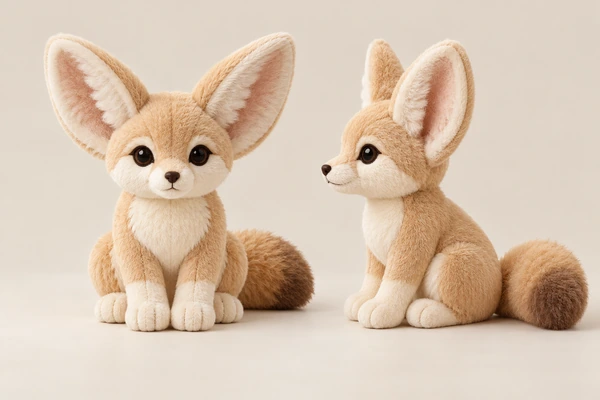
Gate 2: review appearance from several directions
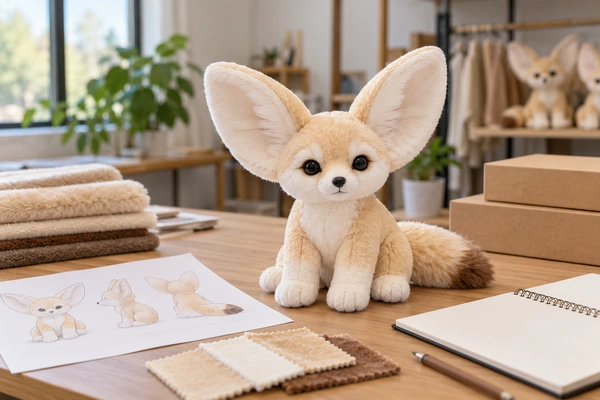
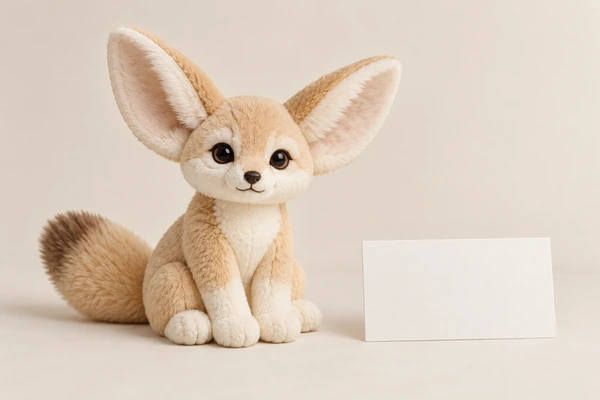
Check the front, back, side and seated or standing pose appropriate to the animal. Compare silhouette, facial expression, symmetry and distinctive features with the agreed reference. For the fox, the ear shape and muzzle proportions may be more important to recognition than a minor hidden seam detail.
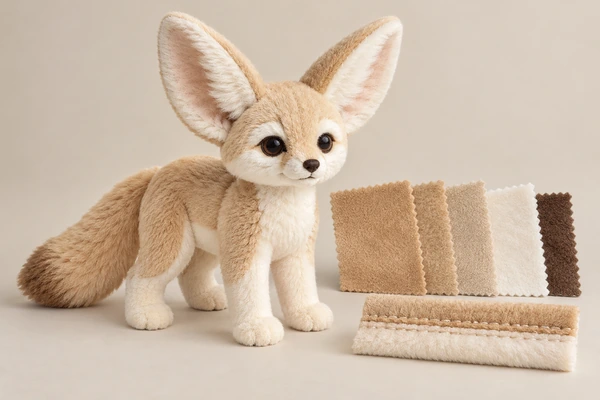
Record finished dimensions using agreed landmarks and measurement conditions. Refer to NIST unit-conversion guidance when dual units are needed. Approve color using retained swatches as well as photographs; Pantone’s physical sample guidance explains why screens are not the whole reference.
Gate 3: connect appearance to construction
Review fabric joins, closure seams, filling distribution and any attached accessories. Ask the supplier to identify construction details that are hidden in the finished toy. Discuss them through the manufacturing review, especially if a change could affect shape, durability or the assessment plan.
The Coats soft and secure seams guide provides sewing context. Turn that context into product-specific acceptance points: visible gaps, trapped pile, uneven closure, misplaced decoration or a different body profile. Agree how observations are classified and corrected before using the sample to judge bulk units.
Gate 4: check the evidence and information
Confirm intended use, audience and destination markets. For US toys, review the CPSC toy safety guidance, relevant testing arrangements and the Children’s Product Certificate guidance. Keep visual approval separate from the conclusion that applicable requirements have been met.
Where third-party testing is required, verify the laboratory’s relevant scope using resources such as the CPSC accepted-laboratory directory. Check that reports describe the configuration being ordered. A report for a different material, accessory or product version needs careful review rather than automatic acceptance.
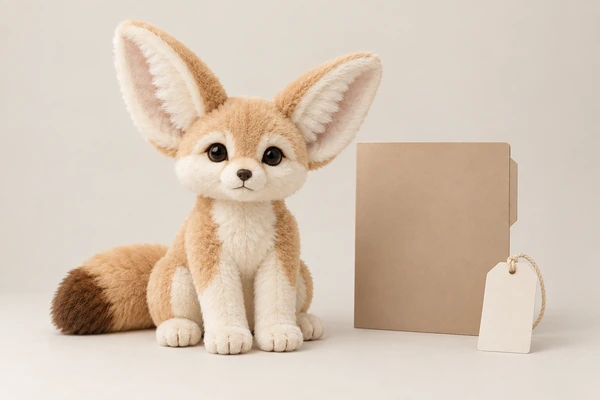
Approve sewn labels, hangtags, care information and packaging artwork at readable final size. Confirm product identifiers and assortment data against the GS1 GTIN Management Standard where applicable. Verify what appears on the packed product, not just what exists in an artwork file.
Gate 5: resolve comments before release
| Decision | Record with the sample | Next step |
|---|---|---|
| Approved for the stated scope | Sample ID and revision; matching artwork and specification; dated approval and named approver. | Release only the scope that has been approved. Check that required order documents and other release conditions are also complete. |
| Revision required | The exact feature to change, its reference view or measurement, the owner and the response date. | Keep the affected feature open. Agree whether a revised sample, component trial or another documented check is required. |
| Evidence pending | The missing report, label confirmation or assessment; the product configuration it must cover. | Do not record a pass from appearance alone. Resolve the evidence and the applicable release condition. |
| Partial approval | Which materials or details are accepted and which remain open. | Keep the open items visible in the same record; a fabric approval does not approve a changed face or the complete product. |
Avoid contradictory comments such as “approved, but change the face.” State whether the change needs a new sample, a component trial or another documented verification. Keep one consolidated comment sheet so separate email threads do not send different instructions to the production team.
Schedule approval around the people who can make the decision. Brand reviewers may focus on expression, while purchasing checks the order scope and quality staff review evidence. Give each person a defined responsibility and consolidate the result into one release record. If comments conflict, resolve them before sending instructions to the supplier. A sample that one department approves and another rejects should not move forward through silence. Record the final decision, its scope and any conditions in language the production team can apply. This also makes the next reorder easier because the reasons behind the original choices remain accessible.
Hand over one release record
- Reference: identify the physical sample, artwork and specification revision that belong together.
- Open items: list each unresolved change or document, its owner and the condition for closing it.
- Decision: record what is released, who approved it and the date. Attach the final comment sheet to the order.
Retain the reference used for production
Preserve an approved physical sample, dated photographs and the final specification. Connect them to the quality-control plan for in-process and final inspection. Identify who holds each reference and how a replacement sample is authorized if the original is damaged or unavailable.
Review the project FAQ and company introduction, then send your sample approval checklist with outstanding questions and the intended production release date.
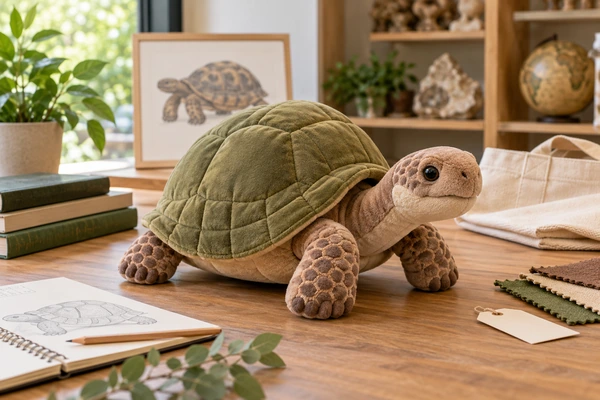
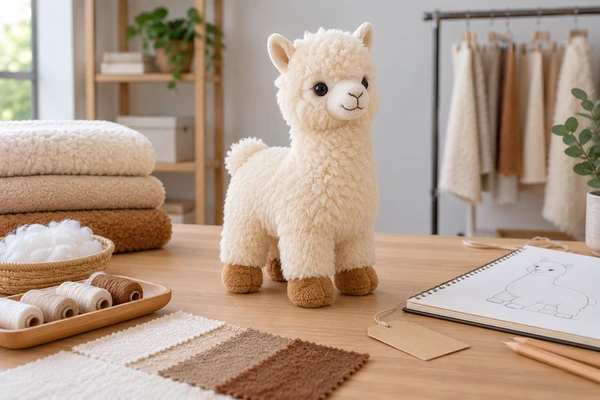
Images show original sample-review concepts, not approved production samples or compliance evidence.
Prepare your stuffed animal specifications inquiry
Copy and complete this brief; mark unresolved items to confirm.
Company / contact:
Product / size / intended use:
Market / quantity / arrival date:
Product definition:
Order scope:
Approval record:
Email This BriefWhatsApp This Brief
Review and send it yourself, or paste it into our inquiry form.