
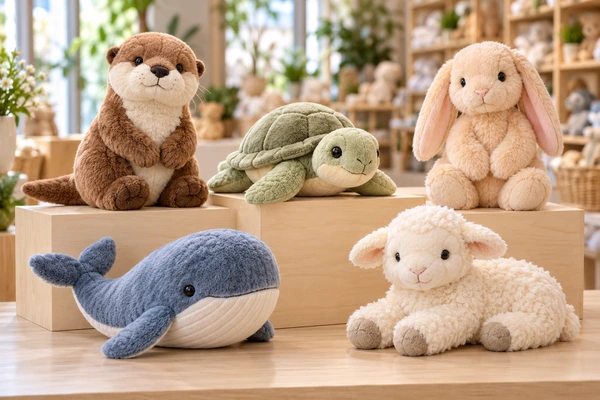
A balanced wholesale stuffed animals range gives each design a clear job: dependable everyday gifting, an accessible entry price, a distinctive display piece, or a seasonal reason to return. Start with customers, shelf space and replenishment capacity. Then select animals, sizes and quantities that serve those needs without multiplying nearly identical choices.
This buying worksheet is for independent gift shops and retail teams developing an initial collection. Explore animal plush design references after setting the commercial brief, so attractive samples support a plan instead of becoming the plan.
Give every design a retail role
Write one sentence describing the expected shopper and occasion. A small souvenir shop may prioritize easy-to-carry gifts; a destination toy store may need a larger statement animal. Those are different assortments even when both stock bears and rabbits.
Shopify’s assortment-planning guide distinguishes core, seasonal and trending inventory. Apply that distinction to your own sales evidence rather than adopting a universal percentage split. If history is limited, begin with a manageable trial and record what each item is intended to test.
| Range role | Buying question | Evidence to collect |
|---|---|---|
| Everyday gift | Is the design useful beyond one occasion? | Repeat demand and replenishment needs |
| Entry item | Does it fit the intended spend and display? | Margin and units sold |
| Statement piece | Does its presence justify its space? | Sales relative to display footprint |
| Seasonal accent | When does its selling window close? | Remaining stock before the deadline |
Build a size ladder before adding more animals
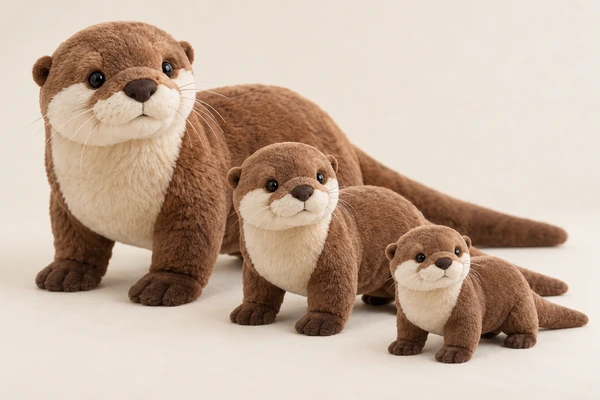
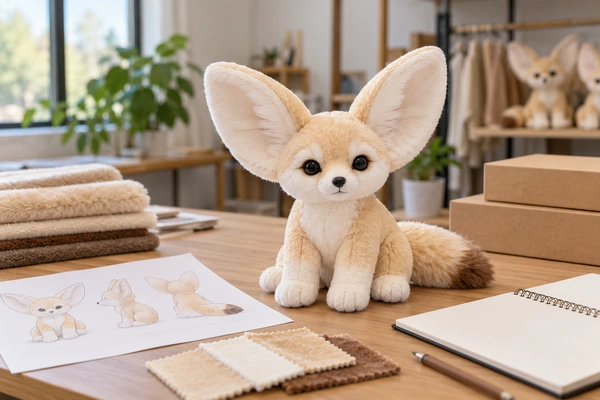
Compare a compact, medium and larger sample on the actual fixture. Record sitting height, overall length, shelf depth and packed dimensions. A long tail or wide ears can consume more space than the nominal size suggests. Keep the measurement method consistent across your plush product shortlist.
For example, three sizes of one recognizable otter can create a clearer choice than six similar animals at nearly the same price. This is a planning example, not a sales forecast. Remove a size if shoppers cannot understand its additional value.
Use variety that shoppers can actually see
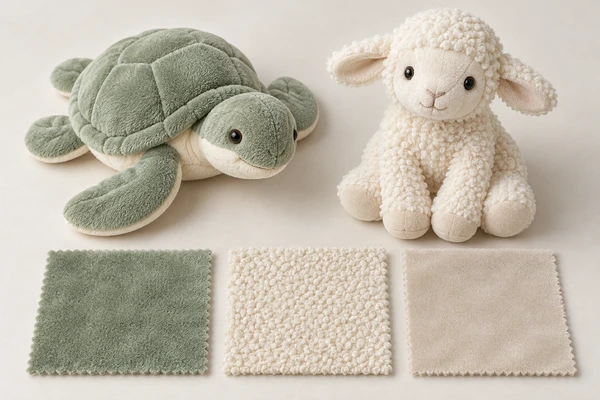
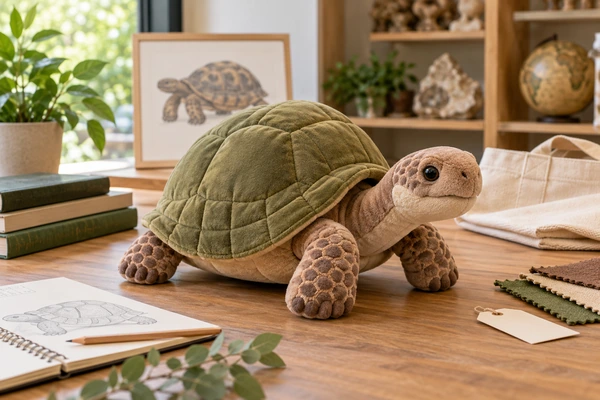
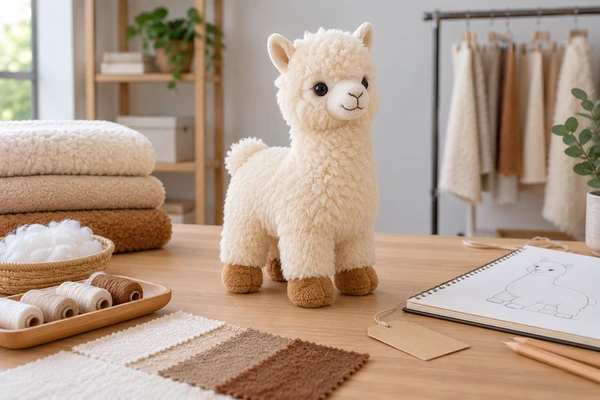
Vary silhouette, tactile finish or expression deliberately. A turtle, lamb and whale create visibly different forms; several beige sitting animals may compete for the same purchase. Compare fabric swatches beside assembled samples because pile direction and stuffing change the appearance.
If your audience responds to narrative merchandise, assess character plush concepts as a distinct range role. Keep seasonal plush selections identifiable in the buying sheet so their deadlines do not become confused with year-round replenishment.
Compare the complete commercial offer
Request the same quotation fields for every shortlisted design: construction, material, quantity, packaging, sample costs and delivery assumptions. Compare expected landed cost rather than unit price alone. Use ICC’s Incoterms guidance to clarify the selected delivery rule and named place; confirm additional commercial terms separately.
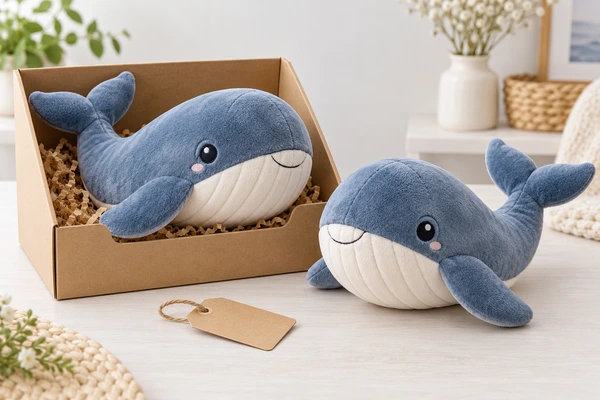
Packaging should fit the selling channel. A gift box may improve presentation but increases storage and freight volume. The ISTA test-procedure overview helps frame discussions about distribution testing. If packaging carries environmental statements, check the FTC Green Guides summary and substantiate the particular claim.
Approve evidence as well as appearance
Define intended users and destination markets before final approval. For US toy projects, use CPSC toy-safety guidance to identify relevant requirements. Review Children’s Product Certificate guidance where applicable. A supplier’s sample photograph does not establish compliance.
Include construction, labels and packaging in the sample-to-production approval process. Record accepted revisions and unresolved issues. Use the GS1 GTIN Management Standard when deciding how distinct retail variants should be identified.
Make replenishment part of the first order
Before placing the order, simulate the first delivery on paper. List how many pieces fit on the fixture, how many remain in storage, and who will replenish each location. Separate display stock from reserve stock. A range can look balanced in a spreadsheet yet become difficult to shop when the largest animal hides the smaller designs. Photograph a sample display at normal shopper height and check whether each face, price ticket and identifying tag remains visible. Use that review to reduce clutter before increasing quantities or adding another color.
Agree how repeat quantities, materials and approved details will be confirmed through the custom development and production service. Track sales with consistent denominators; Shopify’s inventory-report documentation explains its reporting measures. Note stockouts and promotions before comparing products.
Two questions buyers often ask
Should each animal receive the same quantity?
Only when your evidence supports it. Assign quantities by role, demand confidence, minimum-order constraints and replenishment timing.
Does a broader range always improve choice?
No. Additional variants need a distinct customer purpose and enough stock to remain available.
Prepare your range roles, fixture dimensions, destination market and proposed quantities, then send a retail assortment brief for a focused sourcing discussion.
Prepare your stuffed animal specifications inquiry
Copy and complete this brief; mark unresolved items to confirm.
Company / contact:
Product / size / intended use:
Market / quantity / arrival date:
Product definition:
Order scope:
Approval record:
Email This BriefWhatsApp This Brief
Review and send it yourself, or paste it into our inquiry form.
[…] demonstrated capability, a proposed solution and an unresolved question. Start with your intended retail assortment, then evaluate suppliers against the same […]