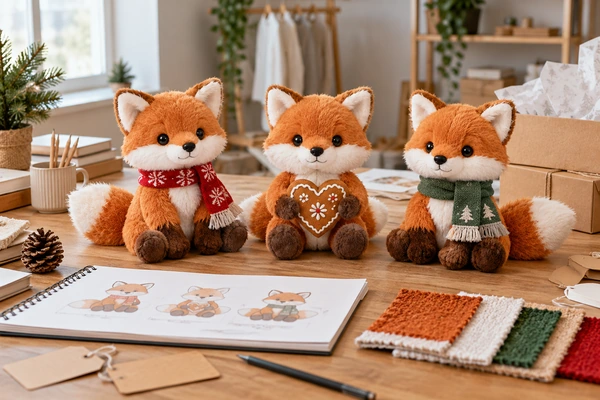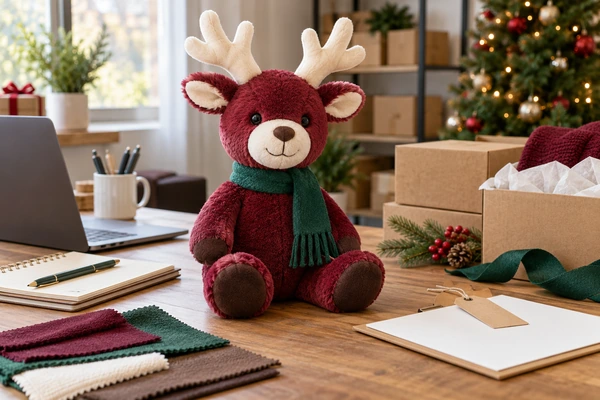
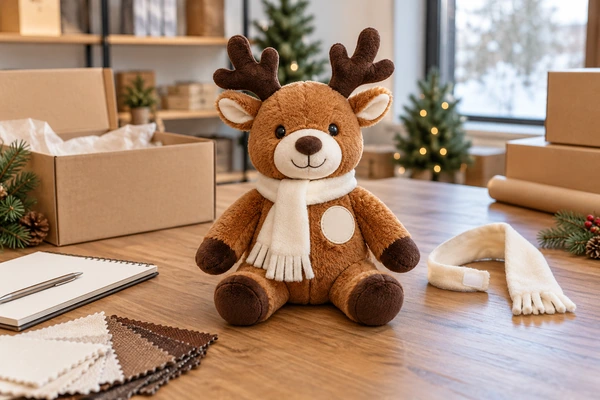
Dated holiday plush can mark a specific occasion, while undated designs can offer more flexibility for a later season. The buying decision depends on expected demand, the cost of leftover stock and whether the product can still be sold honestly and appropriately next year. An undated body is not automatically reusable inventory: packaging, licenses, condition and product requirements also need review.
Use a carryover decision tree
- Is a year or event name essential to the reason customers buy? If yes, assess a controlled dated edition.
- Can the seasonal identity work without a date? If yes, compare an undated core with optional occasion-specific packaging.
- Can remaining stock be stored, inspected and presented economically next season? If no, price the order as a single-season commitment.
- Would reworking labels or accessories change the approved product? If yes, assess that change before treating rework as an easy exit.
Apply this decision to each design rather than the whole collection. Your holiday quantity plan might combine an undated reindeer with a smaller dated gift edition. Define quantities from evidence and acceptable exposure, not a universal percentage split.

Locate every dated element
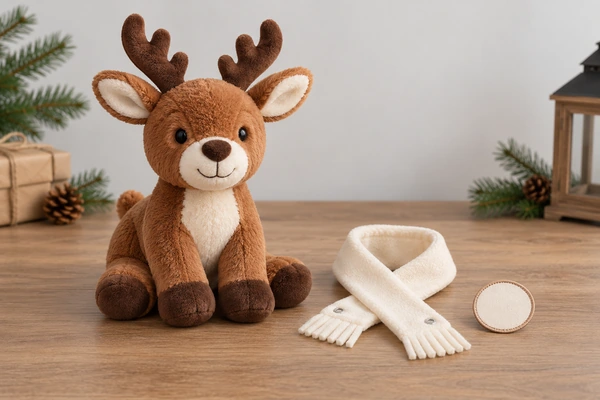
Inspect embroidery, woven labels, patches, hangtags, packaging, inserts and online images. Removing a year from the box does not make a dated chest emblem current. Review Christmas assortment choices and label and packaging planning together so the product and presentation tell the same story.
If an accessory is detachable, establish who may replace it and how the finished product is assessed. For applicable US toys, CPSC small-parts guidance is relevant to detachable components. A convenient seasonal patch should not introduce an unreviewed construction change. The accessory production guide helps identify additional sewing and approval work.
Model the leftover decision with explicit costs
Compare a current clearance sale with the expected contribution from holding stock. Include storage, handling, inspection, repacking, possible damage and the cost of capital where your business model requires it. For an illustrative unit, a future selling price of $18 less $5 in future selling and handling costs leaves $13 before considering the inventory’s existing cost. If clearing it now yields $12 on the same cost basis, the $1 difference may not justify the uncertainty.
This simplified example is not a valuation rule. Use the same cost boundary for both choices and involve your finance team in accounting treatment. Review historical inventory definitions before comparing years; Shopify’s inventory reporting documentation, for example, explains which stock states its reports include. Reserved or damaged units should not be treated as freely sellable stock.
Check permission and identification before a second season
A dated license may expire even when the plush itself has no year. Confirm authorized sales periods, territories and any sell-off provisions with the rights holder. WIPO’s trademark overview and copyright FAQ explain the different rights that may apply. Do not infer continuing permission from possession of leftover stock.
Preserve lot records and identity when repacking. Consult GS1 traceability guidance and, for applicable US children’s products, tracking-label guidance. Keep the original batch connected to any new packaging version. Review the applicable EU toy requirements for the relevant market and timing rather than assuming that a previous season’s paperwork resolves every later sale.
Set a decision date before storage becomes automatic
Assign a final review date for each seasonal line. At that review, record the remaining sellable quantity, actual sales pace, proposed clearance price and next season’s buying assumptions. Do not allow an undated design to remain in storage indefinitely simply because it could theoretically sell again. A familiar character can still lose appeal when the store changes its color direction or display format. Reserve storage space only after comparing the line with other uses for that space. Keep dated editions separately identified so they cannot accidentally enter a current-year replenishment pack, and preserve an accurate description if they are later offered as previous-season merchandise.
Inspect what storage has changed
Before returning stock to sale, inspect odor, moisture damage, discoloration, pile, seams, attachments and packaging. Use an agreed sampling approach and isolate questionable units. The fabric selection guide helps explain why surfaces may respond differently to handling. Check shape after the intended unpacking process; do not hide deterioration behind fresh gift packaging.
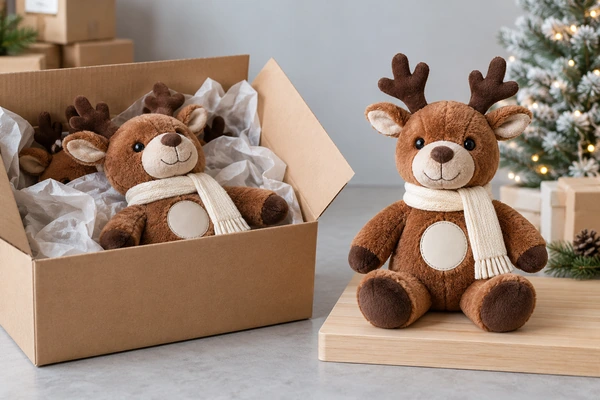
Match product listings and photography to the stock actually offered. The CPSC retailer guidance provides a useful US safety reference when reviewing inventory. Keep a dated release record identifying who approved stock for resale and any restrictions.
Plan the next order using seasonal sourcing milestones, with a separate decision date for dated elements. Brief your supplier on the core design, occasion-specific components and rework constraints before approving a carryover strategy.
Your inventory decisions record
| Confirm | Record with your specification |
|---|---|
| Stock position | Available, reserved and incoming quantities by SKU |
| Decision trigger | Sales window, demand evidence and review threshold |
| Follow-up | Approved reorder, transfer, substitute or retirement action |
Prepare your inventory decisions inquiry
Copy and complete this brief; mark unresolved items to confirm.
Company / contact:
Product / size / intended use:
Market / quantity / arrival date:
Stock position:
Decision trigger:
Follow-up:
Email This BriefWhatsApp This Brief
Review and send it yourself, or paste it into our inquiry form.